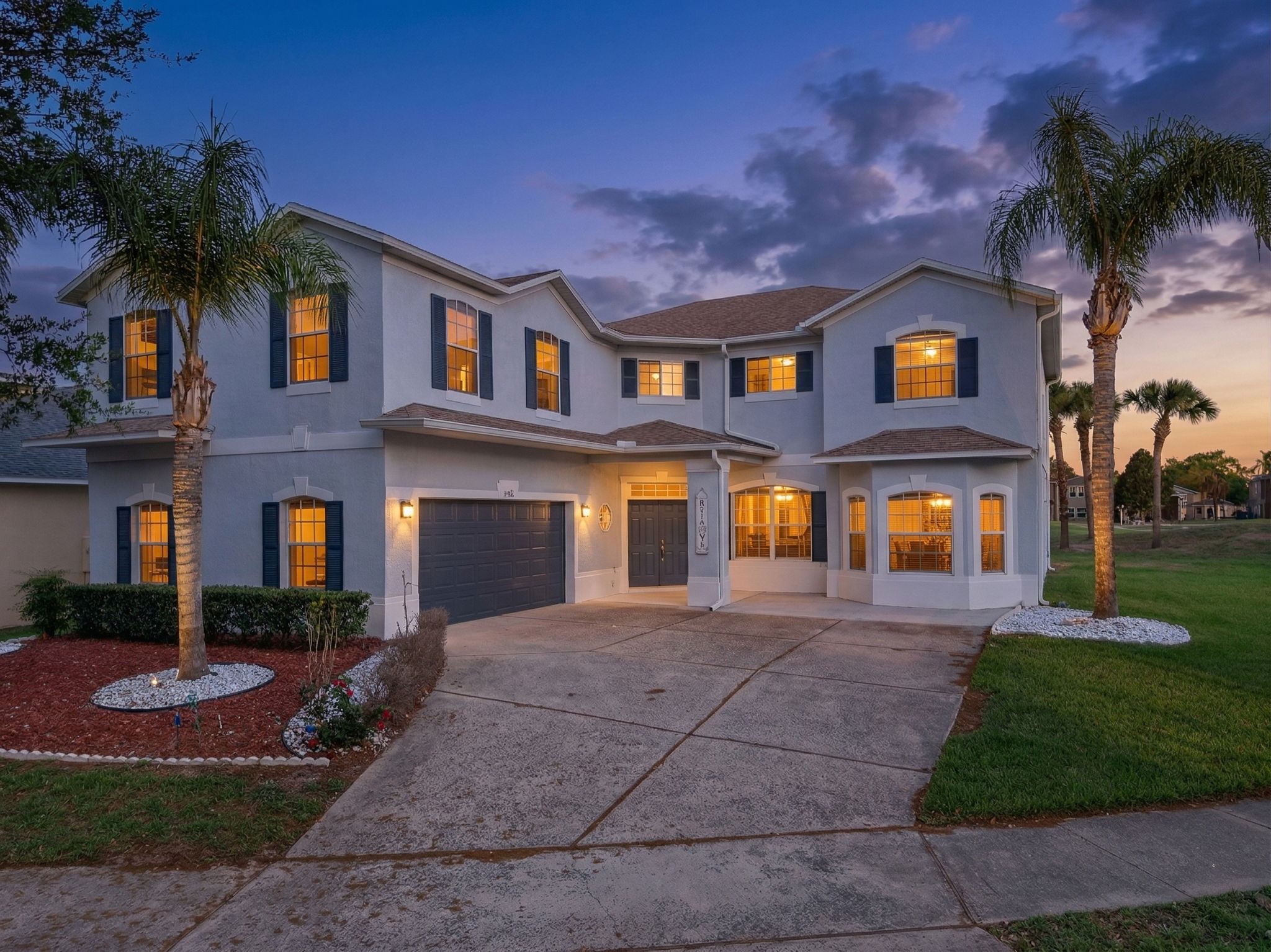
For an older Winter Park 32789 home, insurance work should start before the offer or listing launch.
The short answer
Confirm roof age and condition, obtain a 4-point inspection when appropriate, and order a wind-mitigation inspection before you rely on an insurance estimate. Then compare current private-market and Citizens quotes with a licensed insurance professional. This gives buyers a clearer payment picture and lets sellers address material issues before they delay a contract.
This is a practical checklist, not insurance or legal advice. Coverage, underwriting, credits, and eligibility depend on the insurer, property, and current law.
Gather the documents first
Start with the roof permit or invoice, roof age, and any recent inspection. Florida Statute 627.7011 includes roof-related protections and inspection provisions; an insurer's actual underwriting decision can still depend on its current requirements.
For many older homes, a 4-point inspection looks at roof, electrical, plumbing, and HVAC. It can reveal issues that affect coverage or prompt follow-up. A wind-mitigation inspection documents features that may qualify for available credits, such as roof shape, roof-to-wall connections, and opening protection.
Do not wait for the buyer's insurance deadline to discover a panel, plumbing, HVAC, or roof concern. A seller can obtain reports early, review them with the appropriate professionals, and decide whether to repair, disclose, or price around the issue.
Compare quotes, not assumptions
Get quotes that use the actual property facts and coverage needs. Citizens is Florida's insurer of last resort, and eligibility rules can affect what happens when a private-market offer is available. The often-cited “20 percent rule” should be confirmed against current Citizens guidance and a licensed agent's advice before a buyer relies on it.
Premium estimates from a ZIP code or online calculator are only rough context. Dwelling limit, roof, age, claims history, construction, deductibles, mitigation credits, and carrier availability can all change the result.
Ask for the quote's assumptions in writing. Confirm the roof type and age, square footage, replacement-cost estimate, deductible, exclusions, and required inspections. A quote based on incomplete facts can change after underwriting, which is why an early answer is more valuable than a quick estimate.
Use the information in the transaction
Buyers should make insurance research part of due diligence, alongside inspection and lender timing. Sellers should keep the documents organized and avoid saying a home is “easy to insure” without current evidence.
If a report reveals a concern, discuss the next step with the right professional. It may be a repair, another inspection, a revised quote, a credit discussion, or a decision not to proceed. The useful outcome is clarity before a financing or insurance deadline, not a promise that every carrier will write the home.
Use this compact checklist:
- Roof age, permit or invoice, and recent roof report.
- 4-point report when appropriate for the home's age and insurer.
- Wind-mitigation report and supporting documentation.
- Current quotes based on the property and chosen coverage.
- Repair estimates for any material issue.
- A conversation with the insurer, lender, broker, and qualified professionals before deadlines.
For wider location context, see the Winter Park 32789 guide.